How to Plan a Safari from Zanzibar: Serengeti & Beach Combo
Zanzibar is known for its white sand beaches and turquoise waters, but for many travelers it also serves as a starting point for a wildlife adventure on the mainland. A well-planned trip can combine the relaxation of a tropical island with the thrill of seeing lions, elephants and wildebeest in their natural habitat. Understanding the logistics of a safari from Zanzibar helps you decide if this kind of trip suits your travel style and how to make it run smoothly.
Most visitors arrive in Zanzibar for the beach, then add a few days in a national park on the Tanzanian mainland. The most common choice is the Serengeti, famous for its vast plains and the Great Migration. Other parks such as Tarangire, Lake Manyara or Ngorongoro Crater also offer excellent wildlife viewing. The key is to think about how you will get from the island to the park and what kind of safari experience you want.
Getting from Zanzibar to the Mainland Parks
The distance between Zanzibar and the main safari areas makes a road trip impractical for most travelers. Driving from the coast to the Serengeti would take the better part of two days, leaving less time for game drives. The practical solution is a fly-in safari, where a short domestic flight connects you from Zanzibar to an airstrip near the park. This saves hours of travel and gives you more time on the ground looking at animals.
Flights operate daily from Zanzibar's airport to airstrips like Seronera in the Serengeti, Lake Manyara or Arusha. The flight itself is a small aircraft, usually a turboprop, and lasts about one to two hours depending on the destination. Once you land, a guide meets you and transfers you to the lodge or camp. The whole process feels smooth and allows you to be on a game drive by mid-afternoon.
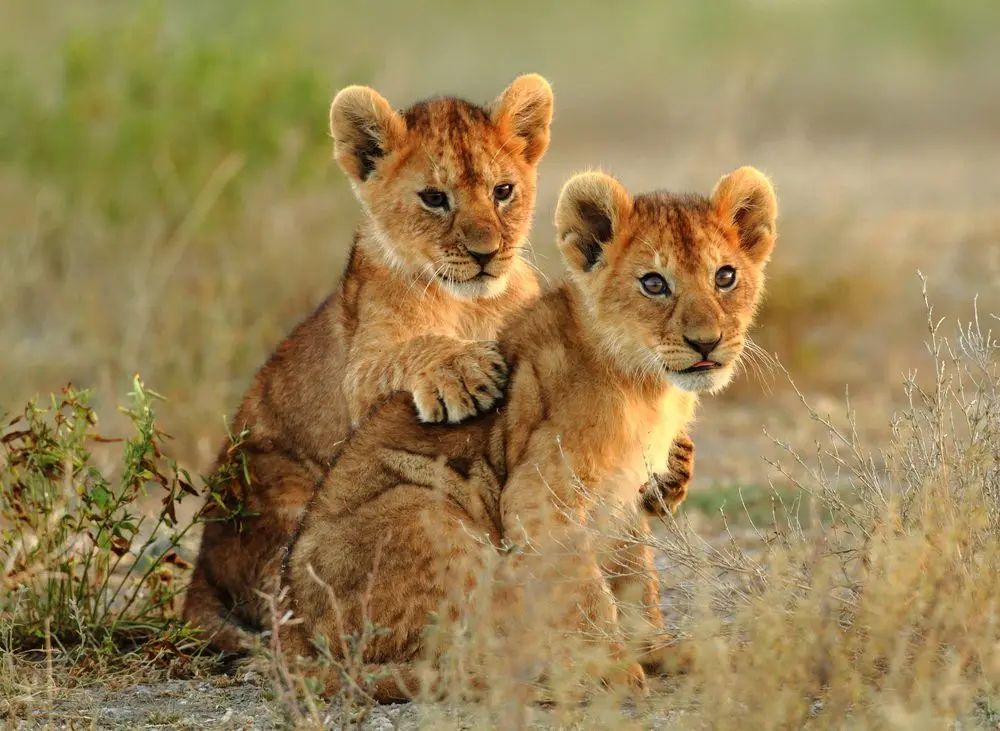
Fly-In Safari: What to Expect
A fly-in safari is a different experience from a self-drive or overland tour. Because you fly, you travel light. Baggage allowances are limited on small aircraft, so packing needs to be thoughtful. Most lodges provide laundry service, and you do not need formal wear. Bring lightweight clothing, a warm layer for early morning drives, comfortable walking shoes, sunscreen and insect repellent. Binoculars and a camera with a good zoom lens are also important.
Lodges in the Serengeti and surrounding areas range from simple tented camps to luxury safari lodges. Some offer all-inclusive packages with meals, game drives and park fees included. Others are more basic, with shared facilities. It is worth checking what is included in the price so you know what to expect. A typical day starts with an early morning game drive before the animals become less active in the heat, then a return to camp for breakfast and a rest during the middle of the day. Afternoon drives resume around 4 p.m. and continue until sunset.
Wildlife viewing depends on the season and the location. The Serengeti is productive year-round, but the movement of the Great Migration means that herds can be far from certain areas at different times. If seeing the river crossings is a priority, you need to plan around the timing of the migration. A good operator will advise on the best time for your interests.
Combining a Safari from Zanzibar with a Beach Stay
Many travelers want to do both: spend a few days on the beach in Zanzibar and then fly to the safari. The classic combination is three or four nights in Zanzibar followed by three nights on safari, or the reverse. This allows enough time to relax, explore Stone Town, try water sports or just lie on the sand, and still have a full wildlife experience. The logistics are straightforward. You can transfer from your hotel in Zanzibar to the airport and then fly to the park.
One practical consideration is the order of activities. Some people prefer to do the safari first, especially if they are traveling from a long-haul destination. After a few days on the dusty plains, the beach feels like a reward. Others want to unwind first and then get active. There is no right answer. Both work well as long as you leave enough time between the two parts of the trip.
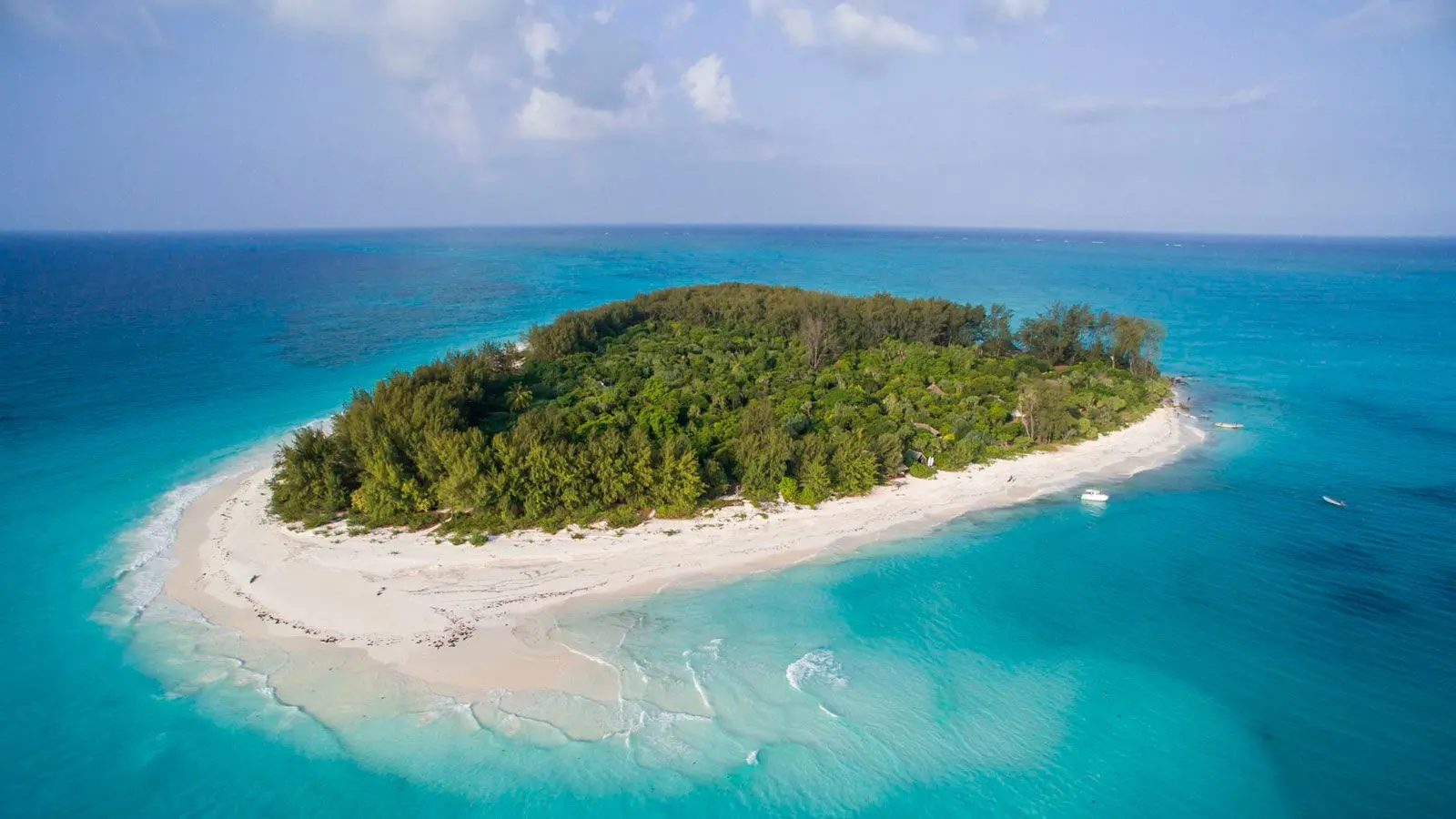
If you are planning a safari from Zanzibar, it helps to work with a tour operator that understands the logistics of island-to-mainland travel. They can arrange the flights, transfers, park entry and accommodation in one package. This reduces stress and ensures that connections line up. A tailor-made tour can also adjust the itinerary to your preferences, such as spending extra time in a particular park or choosing a more luxurious lodge.
Choosing the Right Time to Go
Zanzibar and the mainland parks share similar climate patterns, but with some local differences. The dry season from June to October is generally the best time for wildlife viewing because animals gather around water sources and vegetation is sparse. This also coincides with the peak tourist season in Zanzibar, so booking early is important. The wet season from November to May brings green landscapes and fewer crowds, but rain can make some roads muddy and game viewing less predictable.
The Great Migration reaches the northern Serengeti between July and October, with river crossings of the Mara River. From December to March, the herds are in the southern Serengeti and the Ngorongoro area. If you are flexible with dates, you can choose a time that matches your interest in the migration. For general wildlife viewing, any time of year offers good sightings of predators and large mammals.
Packing and Practical Tips
Packing for a combined beach and safari trip requires a bit of thought. You need beachwear and light clothing for Zanzibar, plus safari-appropriate gear for the mainland. Neutral colors such as khaki, olive and beige are recommended for game drives. Avoid bright colors and white, which can attract insects and stand out to animals. A light jacket or fleece is useful for early morning drives, as temperatures can drop to around 15°C (59°F) in the Serengeti.
Do not forget a hat, sunglasses and a reusable water bottle. Most lodges provide filtered water. A small first-aid kit with basics like plasters, antiseptic and painkillers is sensible. If you take medication, carry it in your hand luggage because the flight from Zanzibar to the park is a domestic connection and you want it accessible.

Is a Safari from Zanzibar Right for You?
This type of trip suits travelers who want variety and are comfortable with a bit of logistics. The flight removes the long drive, but it adds a cost and requires coordination. If you prefer a slower pace or want to drive through the landscape, an overland safari from Arusha or Moshi might be a better fit. However, for those short on time or looking for a seamless blend of beach and bush, a fly-in option is hard to beat.
A well-planned itinerary can include two or three game drives per day, visits to a Maasai village (if your group is interested), and time to simply sit on the veranda of your lodge and watch the animals pass by. The combination of Zanzibar's laid-back island vibe and the raw energy of the Serengeti creates a memorable contrast. With the right preparation, a safari from Zanzibar becomes a smooth, rewarding experience that showcases two very different sides of Tanzania.